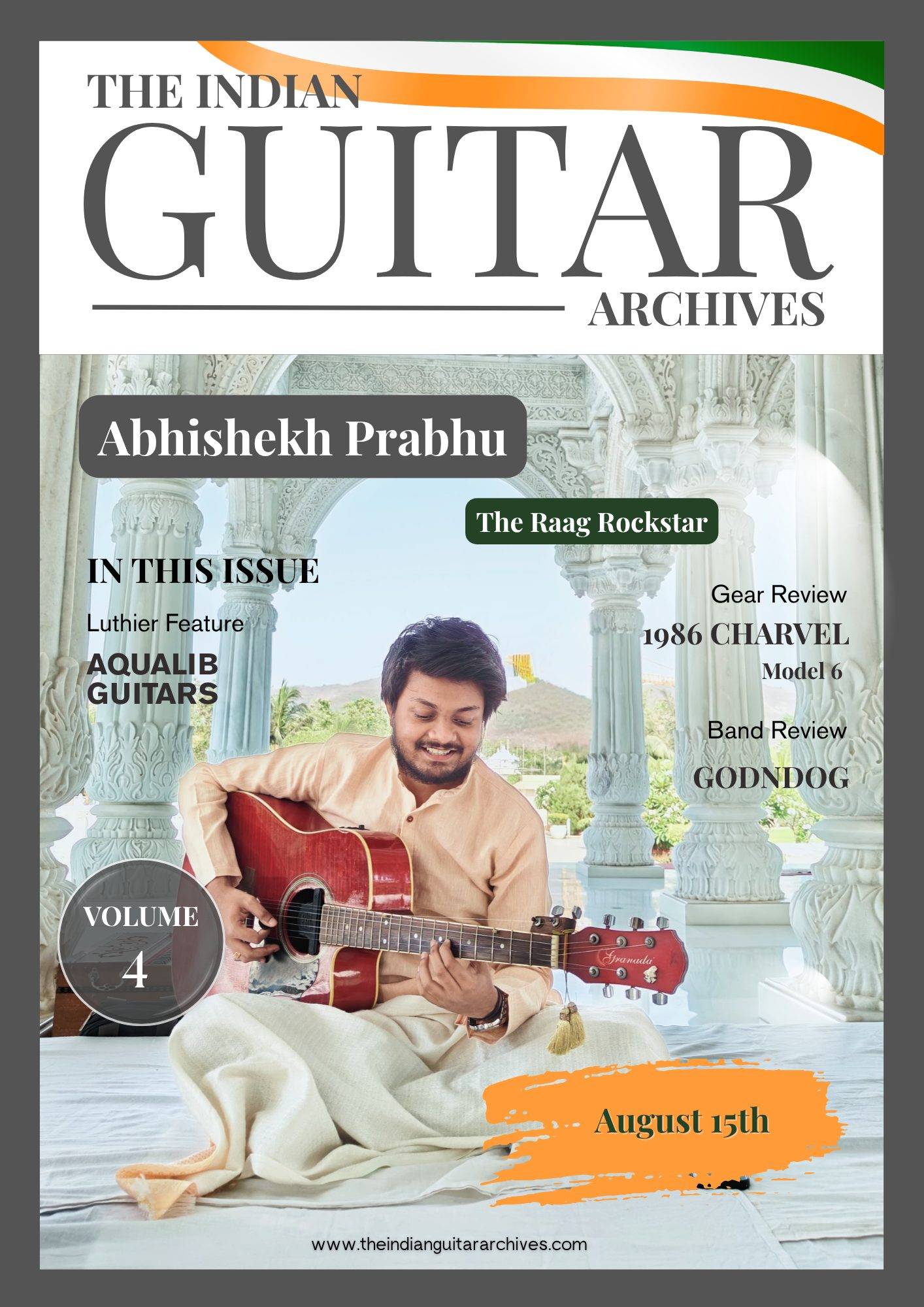
A note from the founder
This Independence Day, we celebrate the spirit of freedom and creativity that drives every guitarist across our nation. In this issue, you will meet Abhishekh Prabhu, whose journey from reluctant learner to inspired artist is a testament to perseverance; Rahul Waghmare of Aqualib Guitars, crafting world-class instruments right here in India; and the band GODNDOG, proving that resilience and raw energy can overcome any challenge.
We also bring you a gear spotlight on the Charvel Model 4, a deep dive into how the guitar has shaped India's musical landscape, and more. Each story is a reminder that music knows no boundaries, and that our six strings can echo the heartbeat of a billion dreams.
Abhishekh Prabhu
The Raag Rockstar
View Full Profile →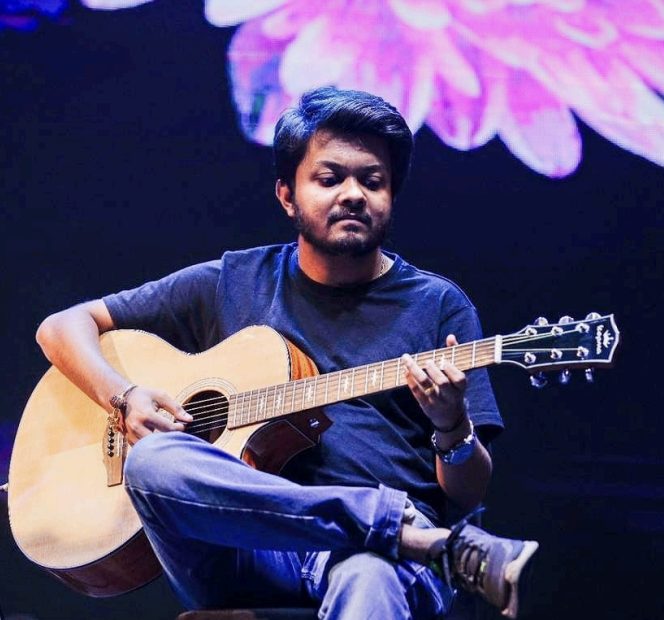
Born to the Raga
Born in Mangalore and raised in Dombivili, Mumbai, Abhishekh Kiran Prabhu began his musical journey at the tender age of six. His earliest lessons came from Mr. Dilip Amrute, whose mentorship spanned eight formative years. Later, his growing interest in Western music led him to the Ravi Iyer Academy in Kandivili, where he studied under one of India's most respected guitarists, Ravi Iyer. Along the way, Abhishekh earned five grades of Trinity College London's Plectrum Guitar syllabus with distinction.
But his true turning point came at 18. A chance viewing of a Hindustani classical guitar video sparked a curiosity that would change the trajectory of his career. In 2018, destiny introduced him to Ustad Rafique Khan, an eminent sitarist of the Dharwad Gharana. Under his guidance, Abhishekh immersed himself in Hindustani classical taalim. Because the guitar lacked the resonance needed for Indian classical, Abhishekh collaborated with a sitar maker from Miraj to innovate a new instrument - the Abhir Guitar - adding chikari (drone) strings to bridge two worlds.
Beginnings in Guitar Playing
I started learning guitar when I was 6. My parents were more interested about me learning guitar than me. So they enrolled me in a local guitar class here in Mumbai. My mother used to drag me to the class even though I had little to no interest in learning it initially. At 19, I met my Guruji Ustad Rafique Khan, a sitar virtuoso from Karnataka, who motivated me, encouraged me, and believed in me that I could make something good in my life with my music. So whatever I am today, I owe a big part of it to my Guruji.
Defying Expectations
Initially, no one accepted it. I was a bit gutsy as a child so I just dropped out of college during my 1st year and told my family that I was going to pursue music as a profession. Honestly, during that time, I had no clue how I would make it, but the only thing I had was my self-confidence.
Five Years Without a Song
Learning this instrument was surely a big challenge for me. I was told that I won't be able to learn guitar at all because of my thin and small fingers. My tutor just made me play basic scales for years and years, which made me get bored with the instrument and start hating it. Even after around 5 years of learning, by the age of 10-12, I was not able to play properly. The first guitar that I got in my hands was a Granada Baby Guitar when I was 6. But after a couple of years, I got a local Hobmer acoustic guitar, which I had for many years.
Guided by Greatness
As I grew up and started gaining interest, I was inspired by many musicians of different genres. Since I started loving Indian classical music, I was greatly influenced by Ustad Shahid Parvez Khan, Ustad Zakir Hussain, Eric Clapton, Gary Moore, Pt. Bhimsen Joshi, and R.D. Burman.
Redefining the Guitar's Role in India
Earlier guitar was just publicized to be a Western instrument used to play genres like Metal and Rock. As I explored more, with the help of my Guru, Ustad Rafique Khan, I customised my guitar and added a couple of drone strings to it, which helps me to play Indian classical on it. Now I feel, slowly, people are starting to understand that a lot of things and genres can be played on the guitar, and not just rock or metal.
To the Next Generation of Free Players
My only advice to other guitarists will be to stay true to your art and always be a learner. Always remember, sometimes hard work beats talent when talent doesn't work hard. So keep grinding and keep enjoying your music. It's you who has to first love your playing - the audience will follow it sooner or later.
Connect with Abhishekh → @rockstar_of_d_millenniumAqualib Guitars
Rahul Waghmare's passion for building world-class guitars in India
View Full Profile →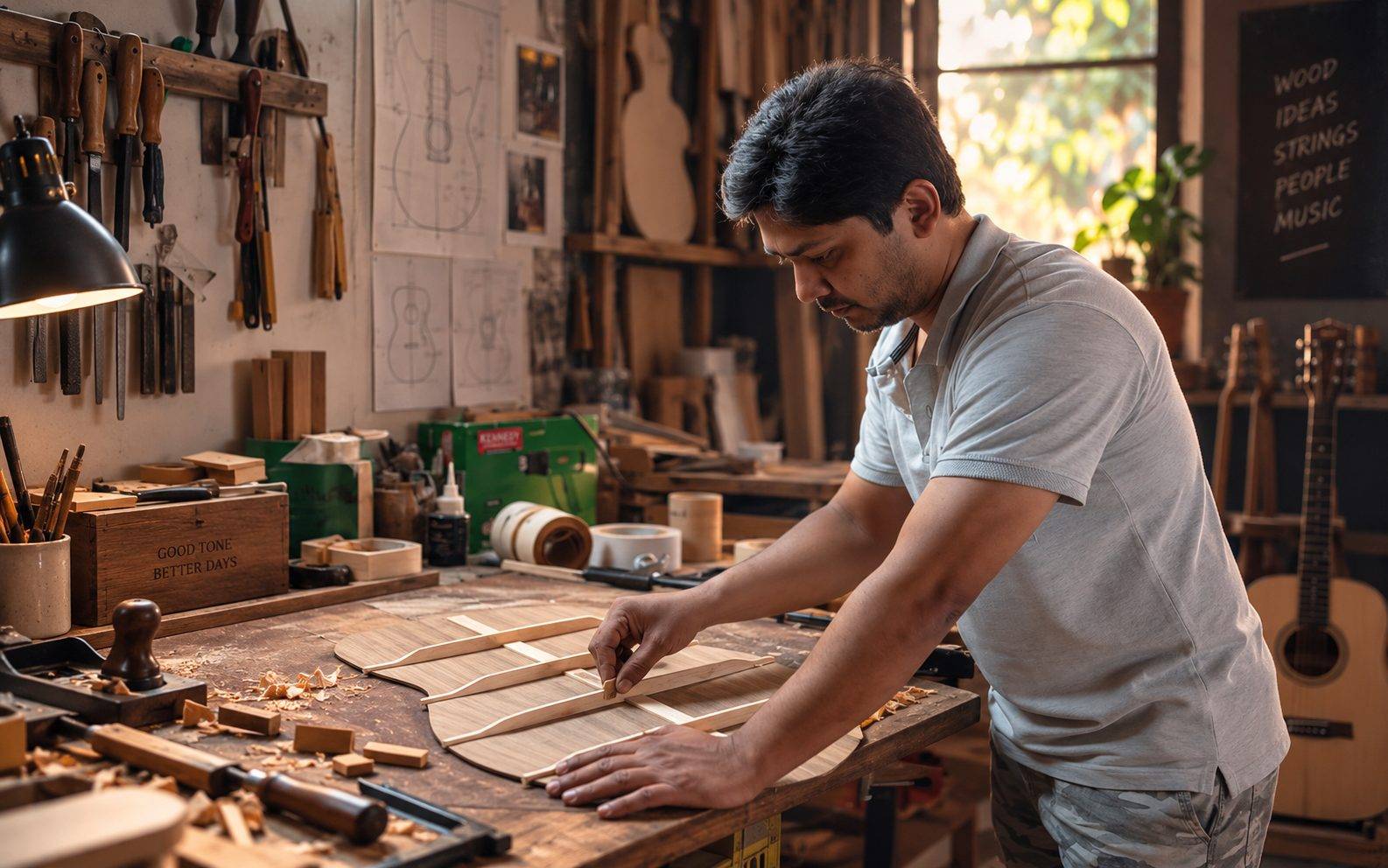
Crafting Freedom in Sound
When necessity became the mother of invention, a young Rahul Waghmare set out on a journey that would change his life. In 2009, while searching for a good classical guitar in India, he found the options scarce and unsatisfactory. Rather than give up, he decided to build one himself. The first instrument he created was a spruce-top classical guitar with solid rosewood back and sides.
Despite being a computer engineer and law graduate, Rahul had always been fascinated by guitars since childhood. That fascination eventually became a calling, and with the birth of Aqualib Guitars, his passion transformed into a profession. At Aqualib, personalised, custom-made guitars are built according to each player's unique specifications, using the highest quality luthier-grade materials.
The Art and Process
Every custom Aqualib guitar begins with a conversation. Rahul studies the player's style, genre, and tone preferences, finalising tonewood specifications accordingly. Bright sounds call for Indian rosewood paired with Sitka spruce tops, while warmer tones emerge from mahogany back and sides with spruce tops. His own favourite combination is an Indian rosewood body with a cedar top on a classical guitar. On average, a custom guitar takes about two months to complete.
Blending Tradition and Innovation
"Luthiery itself is a signature feature," Rahul says. "Guitars built by luthiers are of much better quality when it comes to tonewood selection, bracing patterns, and readiness for contemporary design." One particularly memorable project came about a decade ago, when a musician requested a guitar that could mimic the tone of a Veena or Sitar but with the posture and playability of a guitar. After six months of work, the musician's dream was realised.
Challenges and Growth
The greatest difficulty in luthiery, according to Rahul, is sourcing quality tonewoods and raw materials. In fifteen years of building, he proudly says, "Touch wood, none of my guitars have failed." He also recognises that artistry evolves over time: "Five years back I thought my guitars were the best. Today I see my current guitars are better than the past, and the same will happen in the future."
Community and Legacy
While Aqualib Guitars has grown primarily through word-of-mouth referrals, Rahul has big plans - he intends to open a small luthiery school and start a production unit for affordable, high-quality guitars. His advice to aspiring luthiers: believe in yourself and never give up.
Connect with Rahul → @aqualibguitarsGODNDOG
Metal with a Message
View Full Profile →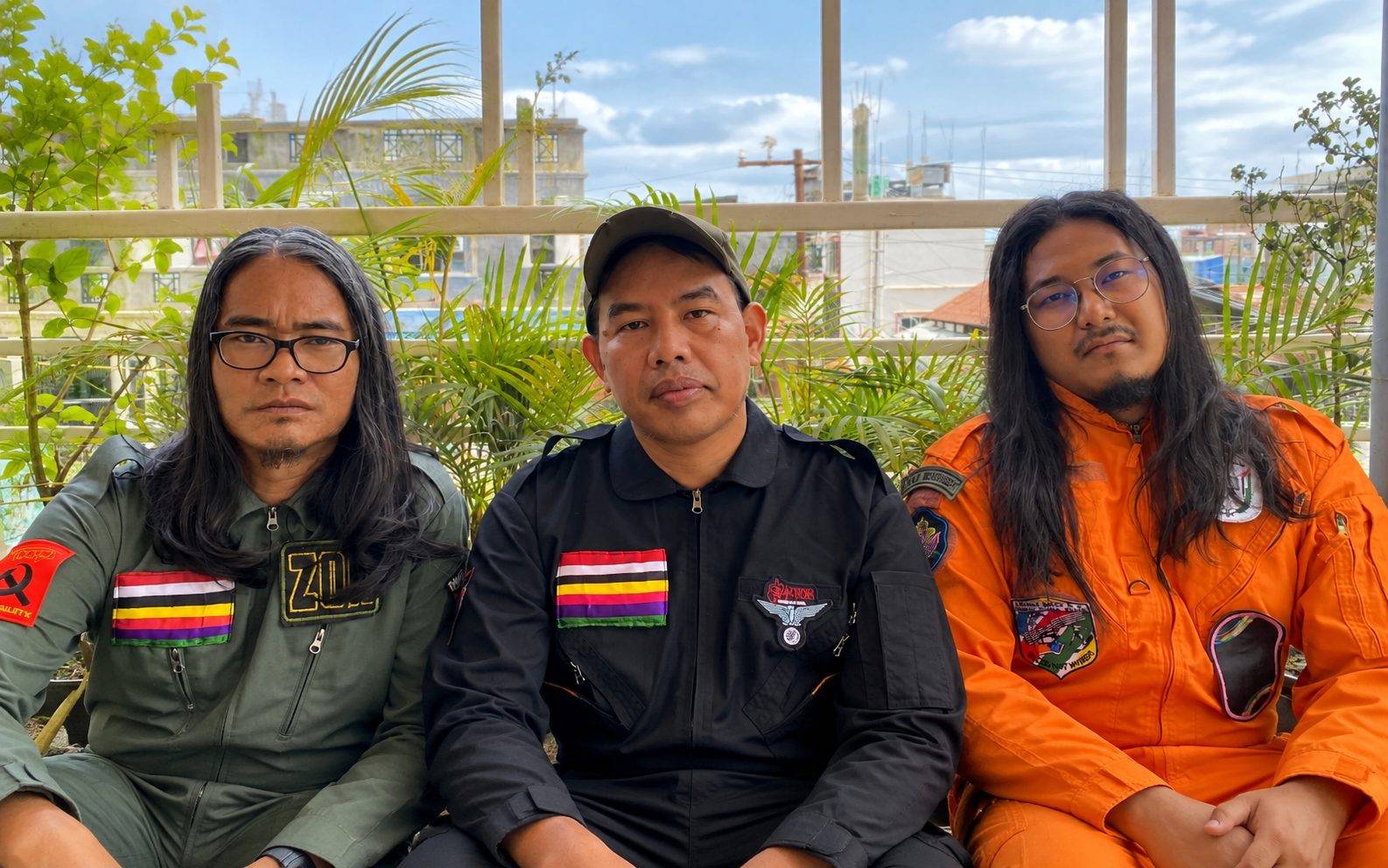
Brothers in Metal
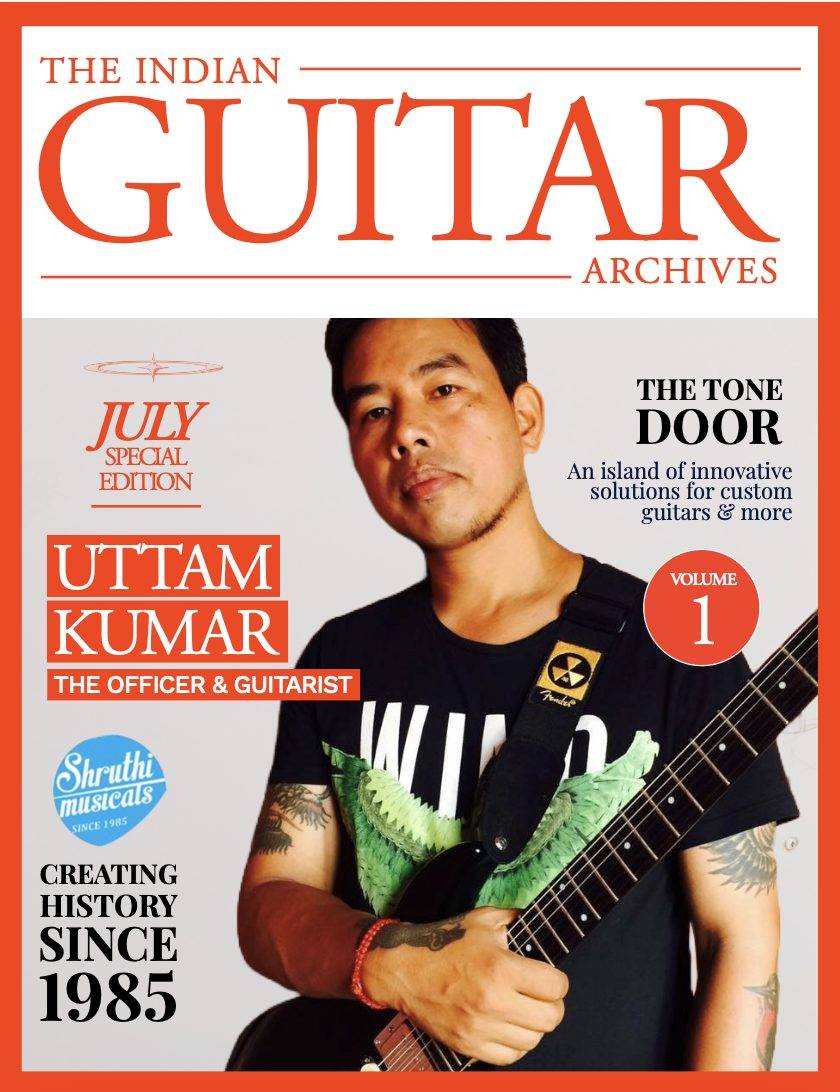
In the heart of Manipur's rock and metal scene, GODNDOG stands out not just for their blistering sound but for the brotherhood that binds them. The band is led by Haobam Uttam Kumar on guitar, main vocals, and songwriting, alongside Laishram Sunil on bass guitar and vocals, and Okram Nongshaba on drums and percussion. Uttam and Sunil's musical journey began together in childhood, jamming since 1994.
Describing their sound is no easy task. As Uttam puts it, it is "like healing your deaf, louder than the loudest, heavier than gravity, tighter than a metronome." With a seven-string guitar, a five-string bass, and a "dangerous drummer," their music fuses classic metal aggression with their own signature IR. Influences range from Megadeth, Metallica, Iron Maiden, Slayer, and Nirvana to senior local bands who inspired them in their early years.
A Name with Two Faces
The name GODNDOG is a perfect palindrome, reading the same forwards and backwards. While some interpret it as carrying negative or anti-God connotations, the band explains it differently - for them, it reflects the idea that every struggle or limitation exists for a reason, much like how a dog is colour blind. It is a reminder that challenges shape who we are and give depth to the music they create.
When Music Meets Resistance
Not every highlight in GODNDOG's career has been a celebration. One of their most unforgettable moments came on 13 August last year, when a performance turned into a turning point. Amid political unrest and a cultural identity crisis in Manipur, GODNDOG was banned from performing for a full year - a harsh blow, but also a testament to the challenges artists face when their music intersects with broader societal struggles.
The Stage is Their Battlefield
A GODNDOG live show is pure energy. With only three members on stage, there is no room to rest or even pause to think. It is an unrelenting drive to give their best until the last note rings out and they are completely spent.
What's Next for GODNDOG
While they have released only three singles so far, the band has a catalogue of more than ten songs. Their next step is to release an EP - the audio is ready, and video production is next. Touring will follow once the EP is out. As they put it with a grin, "we do different."
Connect with GODNDOG → @god.ndog1986 Charvel Model 4
The Unsung Hero of the '80s Superstrat Scene
View Full Profile →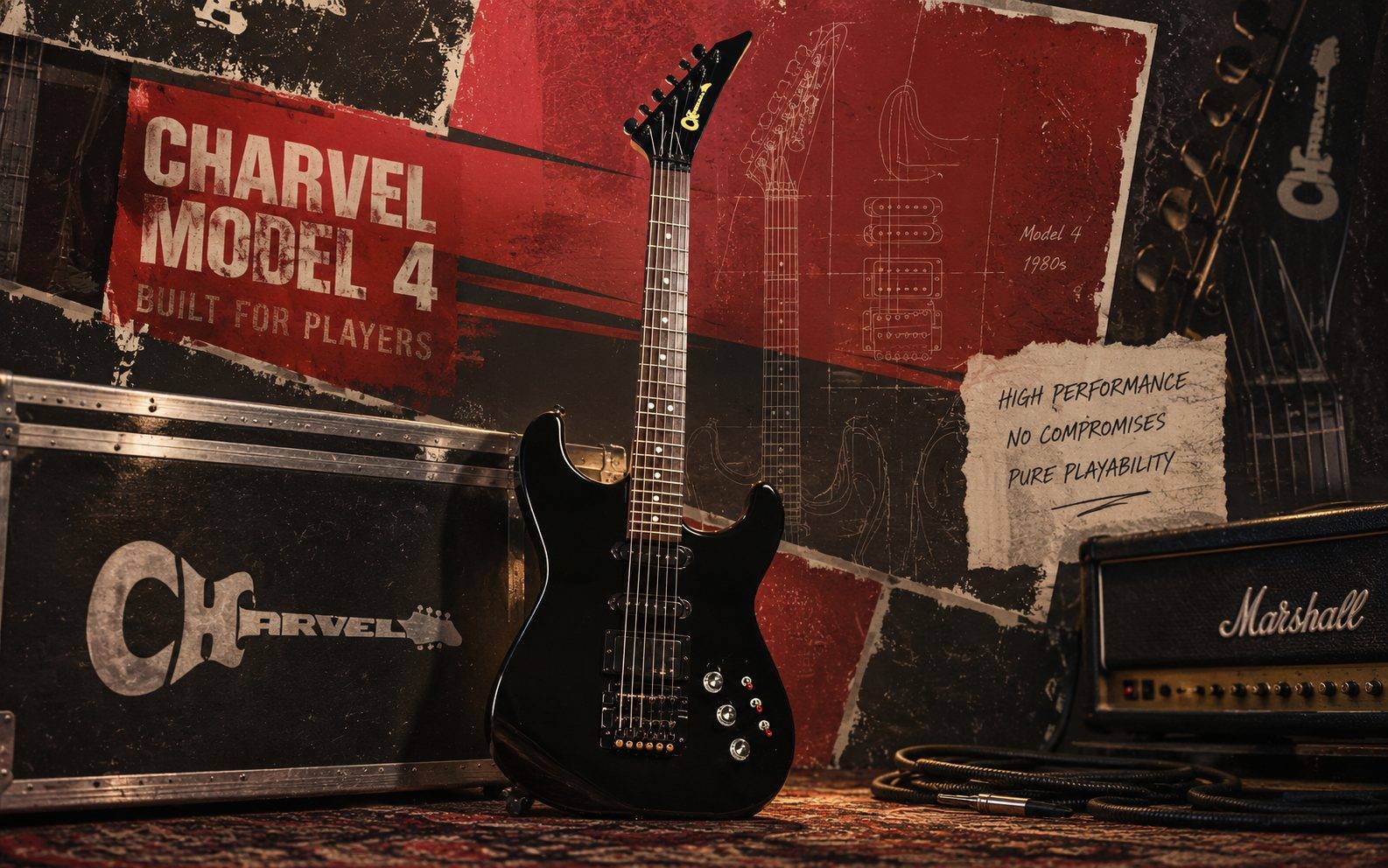
When the shred guitar arms race was in full swing during the mid-to-late '80s, Charvel was turning out a killer lineup of production models that rivaled custom-shop builds. Sitting in the sweet spot between affordability and pro-grade performance was the Charvel Model 4, introduced in 1986 and quickly earning a reputation as a no-nonsense workhorse for players who needed both flash and function. While its big brother, the Model 6, often steals the spotlight with its neck-through design, the Model 4's bolt-on maple neck gave it a snappier attack and a slightly more traditional feel.
Specifications That Made It Stand Out
Body: Poplar, offering a balanced tonal character. Neck: Bolt-on maple with a 22-fret rosewood fingerboard, dot inlays, and a slim profile. Pickups: One Jackson J-50BC humbucker in the bridge and two Jackson J-200 single-coils in the neck and middle. Electronics: The signature JE-1200 active mid-boost circuit. Bridge: Kahler 2300 series Pro tremolo for wild pitch manipulation without sacrificing tuning stability.
Tone & Playability
The Model 4 punches above its weight in versatility. The bridge humbucker delivers hot, mid-focused drive perfect for hair metal, hard rock, and fusion, while the single coils are surprisingly glassy for a shredder's guitar. The Active Mid Boost - the JE-1200 circuit - transforms the guitar into a solo machine, fattening up the tone and adding sustain without touching your amp. The bolt-on construction gives more immediate attack, great for fast alternate picking and tight rhythm work, and the Kahler bridge is smooth and responsive with subtle control over vibrato.
Legacy and Collectability
While the Model 6 often gets the glory, the Model 4 has quietly built a loyal following among players and collectors. Its combination of bolt-on snap, active electronics, and Kahler hardware makes it a unique proposition in today's vintage market. Prices have remained reasonable compared to other 1980s superstrats, but clean examples are getting harder to find - especially in the more vibrant factory finishes like Ferrari Red, Pearl White, and Electric Blue.
Verdict
Gear Score: ★★★★☆. Best For: 1980s metal, rock, fusion, session players needing tonal range. Not For: Players obsessed with having 24 frets or those allergic to active electronics. For players looking to dip into the vintage superstrat world without breaking the bank, the Model 4 is a killer starting point.