A note from the founder
The Indian Guitar Archives captures the life and journey of Indian guitarists, whether they are seasoned professionals or passionate beginners. As a neuroscientist and a guitar player myself, I feel deeply connected to the journeys of these artists.
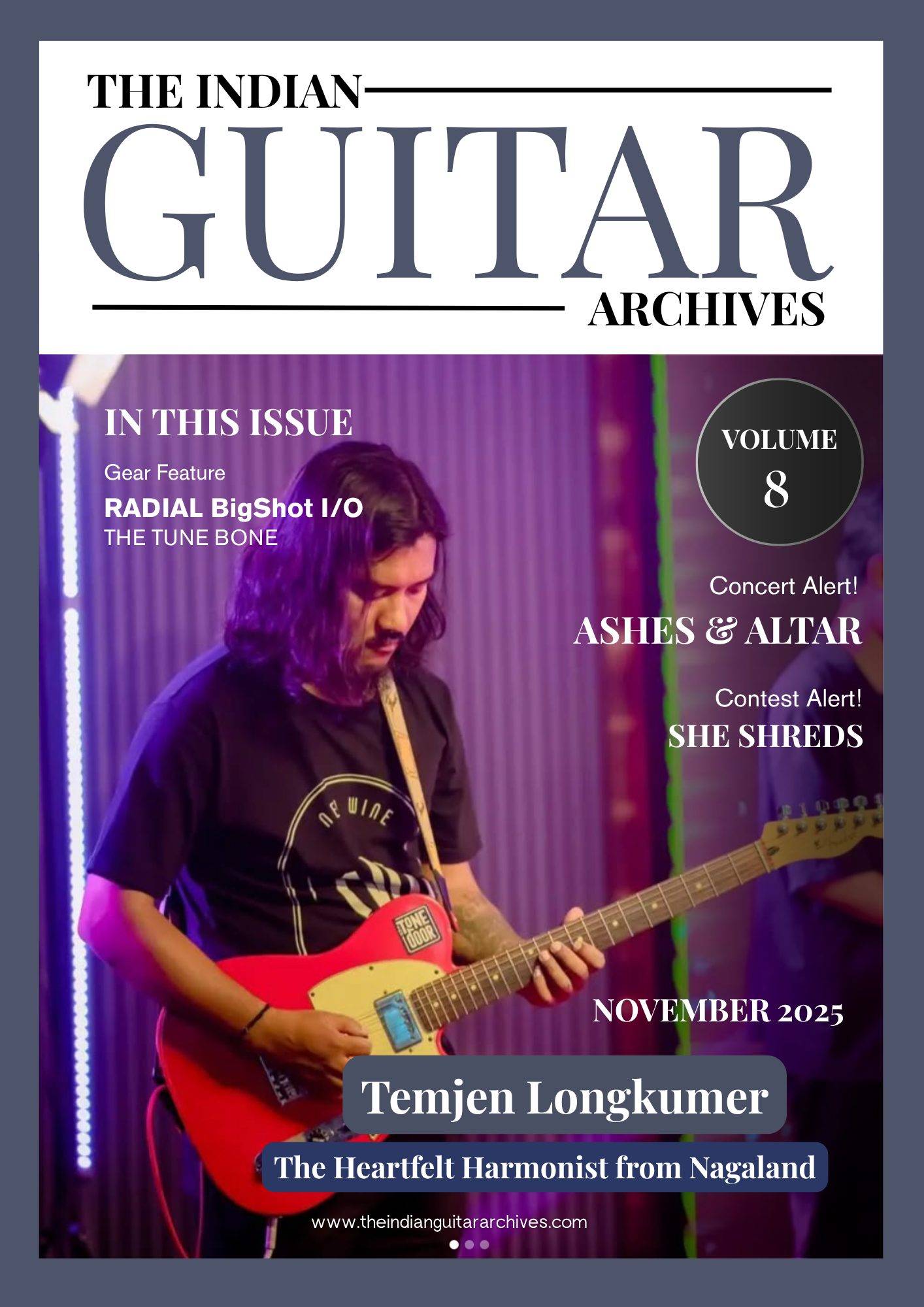
In this issue, we are proud to feature Temjen Longkumer, a guitarist whose music reflects sincerity, faith, and deep emotional honesty. His journey reminds us that the guitar is not only a musical tool - it is a voice that brings people together and speaks from the heart.
This edition also takes a closer look at the Radial BigShot I/O, a powerful utility for clarity and control on stage.
As we approach the end of the year, I hope these stories inspire you to keep creating, learning, and sharing your voice. Thank you for being part of this growing community.
Temjen Longkumer
The Heartfelt Harmonist from Nagaland
View Full Profile →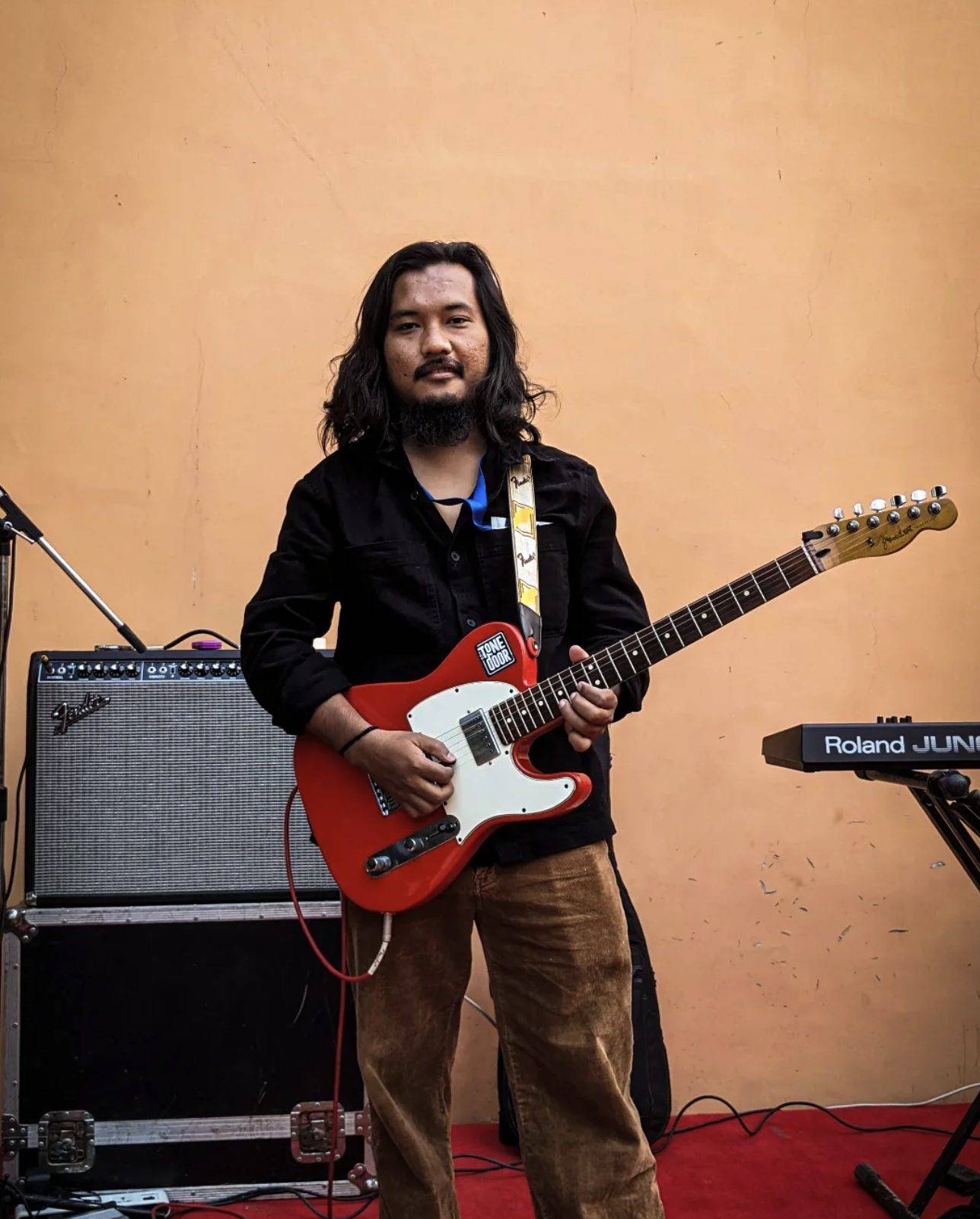
It's not always about blistering solos or fame; often, it's about connection, expression, and faith. This month, we sat down with the deeply soulful guitarist and worship leader Temjen Longkumer, whose music has resonated with many for its authentic and emotional core.
When did you first start playing guitar?
I started in my teenage years - that formative time when you're searching for identity and purpose. It wasn't about becoming a star; it was a pure, simple curiosity and a deep desire to learn something meaningful.
Why the guitar over other instruments?
It was the way the guitar could express emotion and lead worship. There's something about the portability and intimacy of a guitar - you can hold it close, and it feels like an extension of yourself. It could be gentle and reflective one moment, and full of powerful, collective praise the next.
How did your friends and family respond?
At first, they didn't fully understand. I think they saw it as a phase. But as they saw my commitment and the joy it brought me - and how it connected me to a larger community - they became incredibly supportive. Their belief in me became a vital anchor.
What were the biggest challenges early on?
I was mostly learning without formal lessons, so it was a lot of trial and error. Resources were limited, and there were moments of discouragement. But the joy of finally nailing a song or leading a moment of worship outweighed the frustration.
Tell us about your first guitar.
It was a secondhand acoustic that had seen better days - worn-out strings, a few scratches and dings. But to me, it was everything. Its humble character taught me that the magic isn't in the instrument, but in the hands and heart that play it.
Who are your primary musical influences?
Worship artists like Hillsong United and Jesus Culture - the way they build atmospheres with the guitar was revolutionary to me. Equally influential were the local church musicians I played alongside. They taught me that without genuine emotion and spirit, the music is empty.
Did you have an encouraging environment to grow in?
Yes. The church provided the first real platform - a safe space where I could make mistakes and learn. Friends became my unofficial bandmates, and a few key mentors gave me tips and, more importantly, confidence.
How do you visualize music when writing?
I almost always start with a picture or a moment - a quiet time in prayer, a story someone shared, or a raw emotion like hope or longing. If it's a "dawn after a long night" feeling, the music might start sparse and build into something bright and full.
How should music be supported as an art form?
By creating intentional opportunities, providing tangible resources, and encouraging upcoming artists at every level. It's about building an ecosystem, not just spotlighting a single star. Many talented guitarists just need a word of encouragement or a chance to play.
Your best advice for a beginner?
Start simple. Learn a few basic chords and celebrate that. Stay consistent - even 15 minutes a day is better than three hours once a month. Don't compare your chapter one to someone else's chapter twenty. Most importantly, play from your heart.
Connect with Temjen → @temjen_longkumerRadial BigShot I/O
Tame Your Tone & Your Stage
View Full Profile →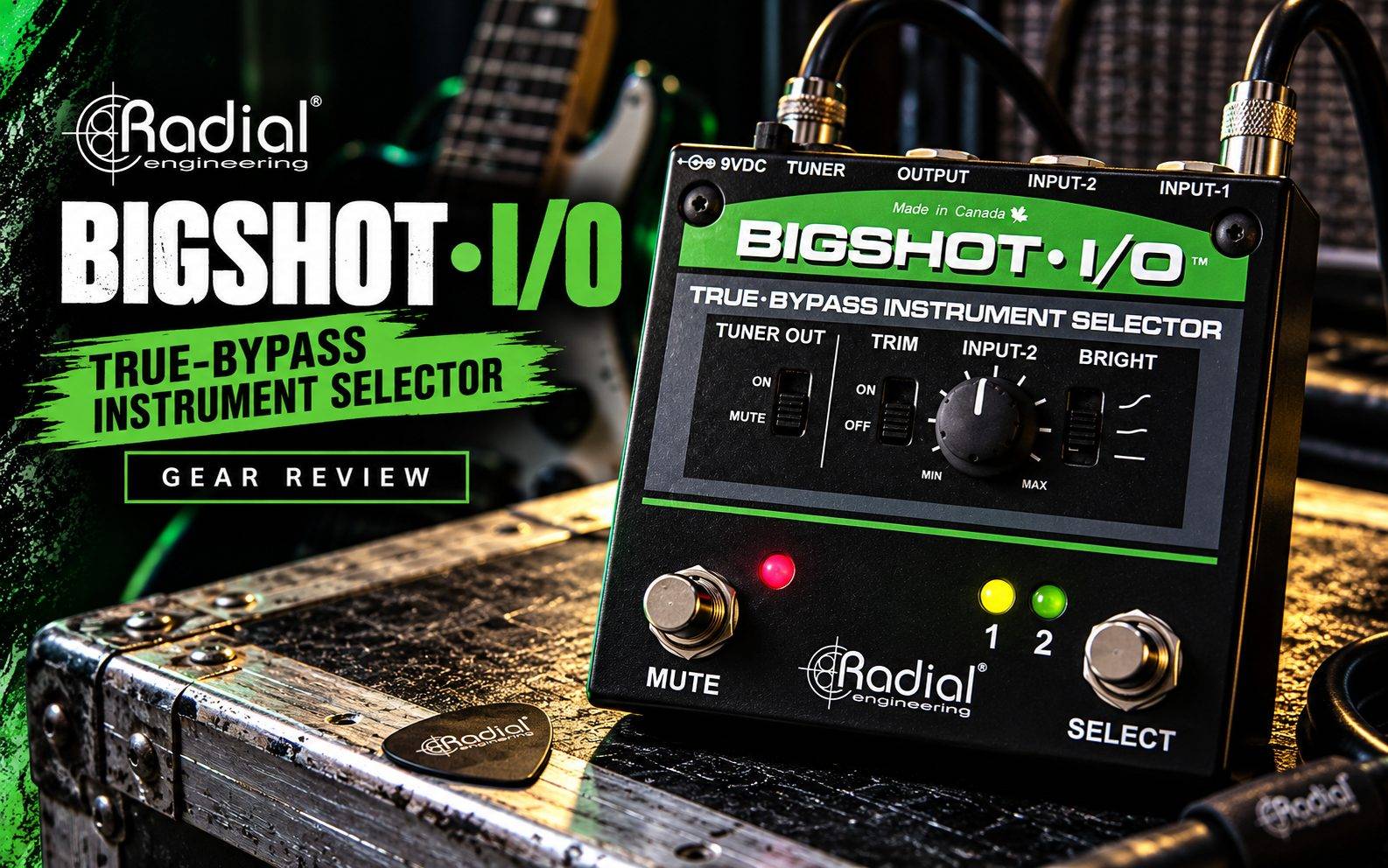
Every guitarist has a "what if" scenario: switching between two guitars with different tunings, running acoustic and electric into the same board without tone-sucking buffers, or having a dedicated, always-on tuner output. The Radial BigShot I/O, a true-bypass instrument selector at around $129, exists to answer these questions.
Built Like a Tank
Heavy-gauge steel housing, tough textured paint, and that satisfying, solid Radial footswitch clunk. It's a no-nonsense unit that inspires confidence before you even plug it in.
Features at a Glance
Two instrument inputs with a true-bypass SELECT footswitch, a BRIGHT switch to compensate for long cable runs, a TUNE BONE knob and MUTE switch for musical silent tuning, and an always-active TUNER OUT so your tuner never interrupts your signal chain.
In Practice
Switching between a Telecaster and a Les Paul was seamless with no tone coloration. An acoustic-electric and an electric ran side by side flawlessly, and the BRIGHT switch added just the right sparkle into a dark-sounding amp.
The Verdict
Final rating: 5/5. The BigShot I/O is the kind of gear you buy once and never think about again - because it just works, perfectly and forever. Essential for gigging musicians with multiple guitars, session players, and tone purists.