A note from the founder
This issue of The Indian Guitar Archives celebrates passion, innovation, and identity through music. From the remote hills of Manipur to the urban stages of Chennai, this edition brings together stories that are both deeply personal and universally inspiring.
Kabung Gondaimei reminds us that no dream is too distant, while Abraar of Mezraab Guitars shows how craftsmanship is as much about intention as it is about skill. We are also proud to present Levites, a band whose music is driven by emotion and faith, and we revisit the tones of Allan Holdsworth through the Yamaha Magicstomp. Whether you are a player, a builder, or a listener, this issue is a tribute to everyone who believes in the power of the guitar to speak when words fall short.
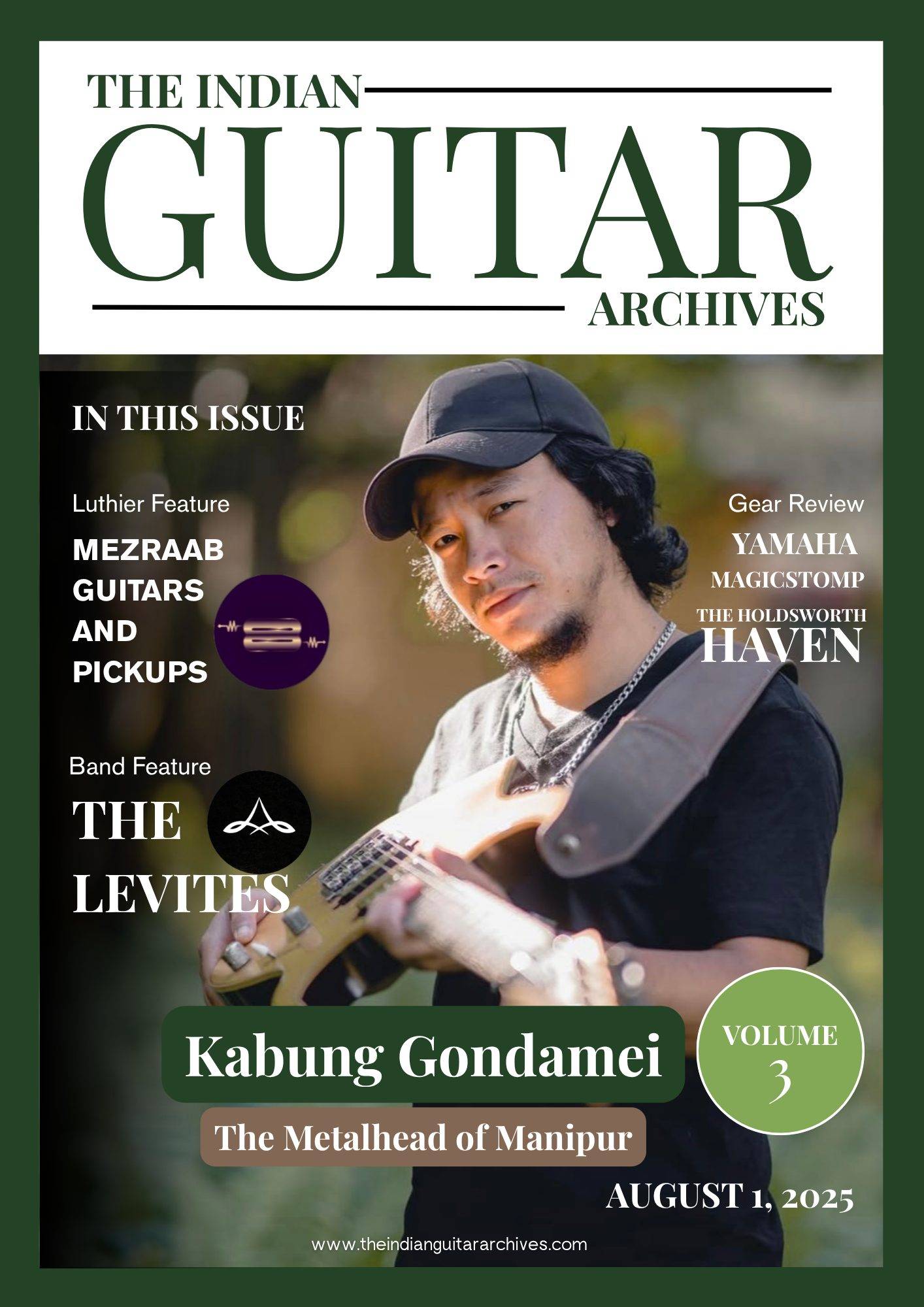
Kabung Gondaimei
The Metalhead of Manipur
View Full Profile →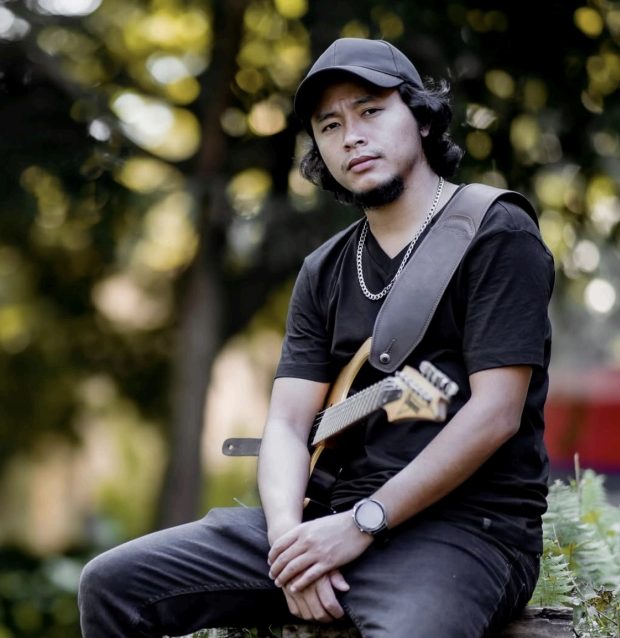
The Early Days
I started envisioning grand ambitions while still in the confines of my room. My intense passion for playing guitar transformed me into a dedicated young teenager with a clear purpose. I would practice various guitar techniques using my textbook as a substitute instrument, long before I had my own guitar. Additionally, I would hum along to the notes and riffs that moved me. Although I grew up in a small village, I was profoundly inspired by Steve Vai's playing style and melodies, which motivated me to pursue excellence.
Challenges
Growing up in a conservative family and community, the aspiration to become a guitar player was often viewed as unrealistic from their perspective. Nevertheless, my unwavering determination overcame their skepticism, leading them to eventually acknowledge my genuine passion for music.
In the early days, the lack of financial stability cast a long shadow over my dreams. I remember standing in front of music store windows, eyes lingering on guitars I couldn't afford, wondering if I'd ever get the chance to truly begin. It wasn't just about money - it was about feeling stuck, watching others create while I could only listen from the sidelines.
But everything changed in 2019. Joining a band that year lit a spark in me I hadn't felt in a long time. It gave me purpose, direction, and most importantly, the courage to invest in myself. I sought out a well-known guitarist in Nagaland and started taking lessons. That decision was pivotal. I realized that music wasn't just about talent or gear. It was about resilience, growth, and finding your voice even when the odds are stacked against you.
The Experience of the Axe
My first guitar was a humble Weston acoustic, priced at around Rs. 4000 - but to me, it was priceless. Owning it wasn't just about having an instrument; it was the moment a dream took physical form. That guitar symbolized hope. It didn't matter that it wasn't high-end or flashy - because it was mine.
Growing up, the musical landscape around me was deeply rooted in local traditions and regional sounds. But there was always a part of me yearning for something different. I found myself gravitating toward bands like Mr. Big, Firehouse, Megadeth, and Nightwish. But above all, one name stood out - Steve Vai. He was a visionary, a magician who could make a guitar sing, scream, whisper, and weep. Though my roots are humble and my beginnings local, my inspirations have always been global - and Steve Vai remains the guiding star in my musical journey.
Vision Through the Strings
Every note I play, every chord I shape, is born from hours - sometimes days - of deep thought, feeling, and intention. I don't just write music; I pour pieces of myself into it. When I create solos for my band, it's not just about impressing or entertaining - it's about telling a story, painting a picture, leaving something behind that lingers. Because music isn't just what I do. It's who I am.
My Musical Journey and Philosophy
I approach my music career with the utmost seriousness. As a musician, I hold the belief that our craft is an ongoing learning experience, with no final destination for mastery. Maintaining a disciplined daily practice routine is vital for consistency. "You burp what you eat, so be mindful of what you listen to."
Support Art by Supporting the Artist
Undoubtedly, many talented guitarists go unrecognized for their skills. I was fortunate to be noticed by the founder and frontman of my band, who offered me the lead guitarist position - a role I had always dreamed of. I would encourage fellow guitarists to stay consistent and keep the passion for music alive. Supporting artists by purchasing merchandise and attending live performances significantly contributes to their success.
Connect with Kabung → @kabung_gmpMezraab Guitars & Pickups
Luthier Abraar on passion, precision, and design
View Full Profile →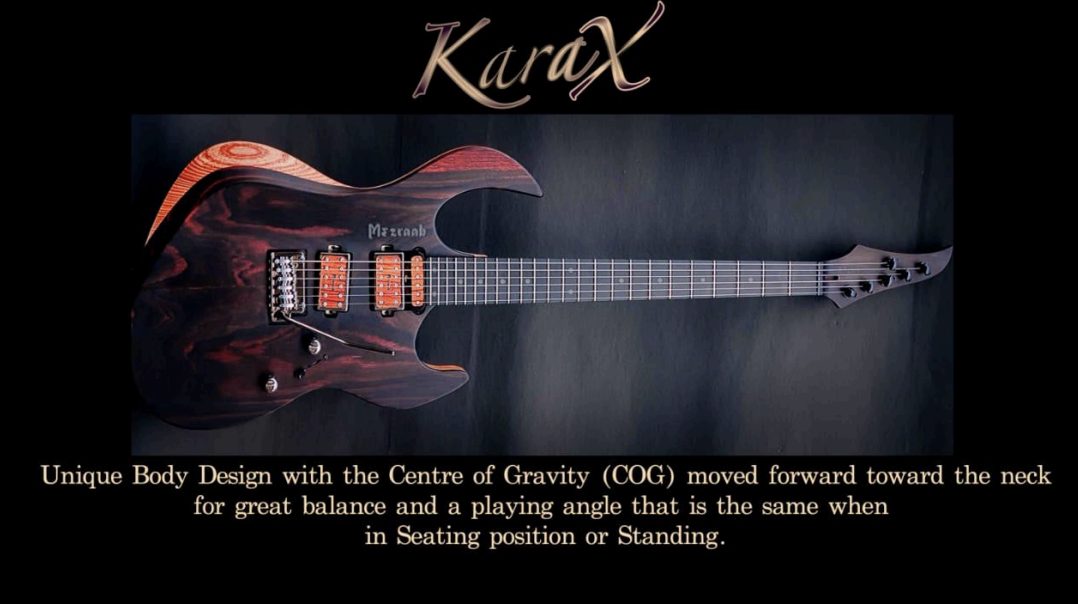
How It All Began
"I have been a Guitarist and a Guitar Tech for many years. I have played, owned and worked on several high-end guitars. Whilst all of them were great and excelled at one thing, they were very ordinary or below par at another. So, I decided to put all my experience of playing and working on Guitars to design and build one that could be versatile, reliable, and easy enough to play, that just that one Guitar would be enough for most Studio and Live Gig requirements."
The Karax
"The Mezraab Karax is the first one that I designed from a clean slate and put together from the ground up. I aimed to create an instrument that was tonally and electronically versatile, extremely stable and reliable, and above all, effortless to play. With the Karax Prototype, I chose an American white Ash body, a thick Rosewood Top, a Wenge Neck and an Ebony Fingerboard. Overall this combination adds great punch in the mids and wonderful clarity and note separation in the top end."
Q&A with Abraar
What does making guitars mean to you?
"Every guitar that I build or work on becomes an expression of mine, an extension of myself and my creative thought process. In a way, a piece of me."
What is the most difficult part about guitar making?
"Many Players believe more in the high-end instruments of Big Brands than they do in Independent Builders. Secondly, the successful marriage between the Wood, Hardware, Pickups and Electronics to produce that 'Mojo' is a far more difficult job than one would believe."
What is your favorite guitar you've ever made and why?
"The Mezraab Karax is my favorite guitar. Besides being so versatile, reliable, and gorgeous looking, it also has a certain personality to it. For guitar players, an instrument that has its own personality brings more purpose and joy to what you play on it."
What advice would you give to someone who wants to become a luthier?
"Start making something, don't be afraid to fail. Become an apprentice with a good Luthier for 2 years, it will save you many years of trial and error."
Connect with Abraar → @guitar_mattersThe Levites
Carving soundscapes of faith and fire
View Full Profile →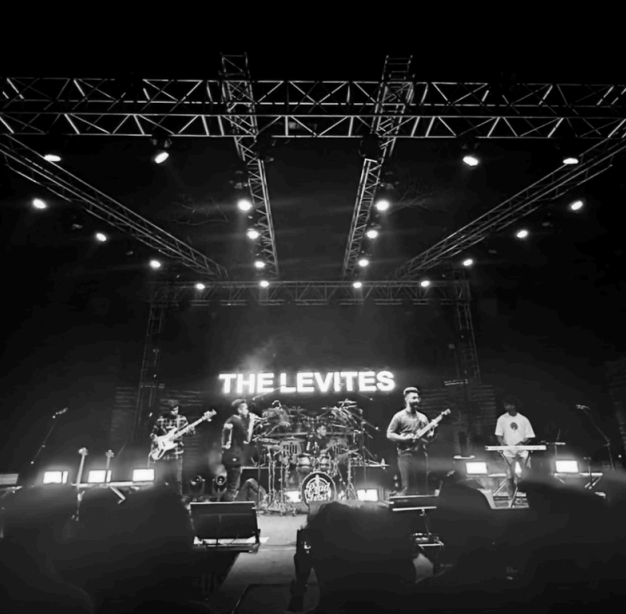
From Classrooms to Concerts
In the sunlit corridors of Madras Christian College, where creativity thrived between lectures and late-night jam sessions, a group of friends stumbled into something more than music. Over time, those casual sessions began to take shape - real songs started to emerge, and with them, stories that felt honest and powerful. And so, the band Levites was born.
Their songs blend modern progressive rock with large soundscapes and vulnerable, heartfelt lyrics. "We're just trying to process life and faith through sound," they share.
The Meaning Behind the Name
In ancient scripture, the Levites were a tribe set apart for worship. For the band, this wasn't just a cool reference - it was a mission statement. "Our music is an expression of faith," they explain. "It's our way of pointing back to something or someone greater than ourselves. It keeps us grounded."
The Story Behind "I'm Home"
Their latest single, I'm Home, is a deeply personal piece. It speaks to the journey of losing oneself in life's noise and rediscovering who you truly are - returning to faith and to your own sense of purpose. "It's about finding your way back," they say. "To where you belong."
What a Live Show Feels Like
A typical Levites performance is more than a show - it's a shared experience. Loud, raw, and deeply emotional, they want audiences to not just listen, but feel with them. "We want every gig to be a moment people carry with them," they say.
Looking Ahead
There is plenty more on the horizon for Levites - a series of new singles are lined up, and an EP is in the works. They are also working on a few exciting collaborations, though they're keeping those details under wraps for now.
Connect with The Levites → @thelevites_The Yamaha Magicstomp
Holdsworth's Haven of Tone
View Full Profile →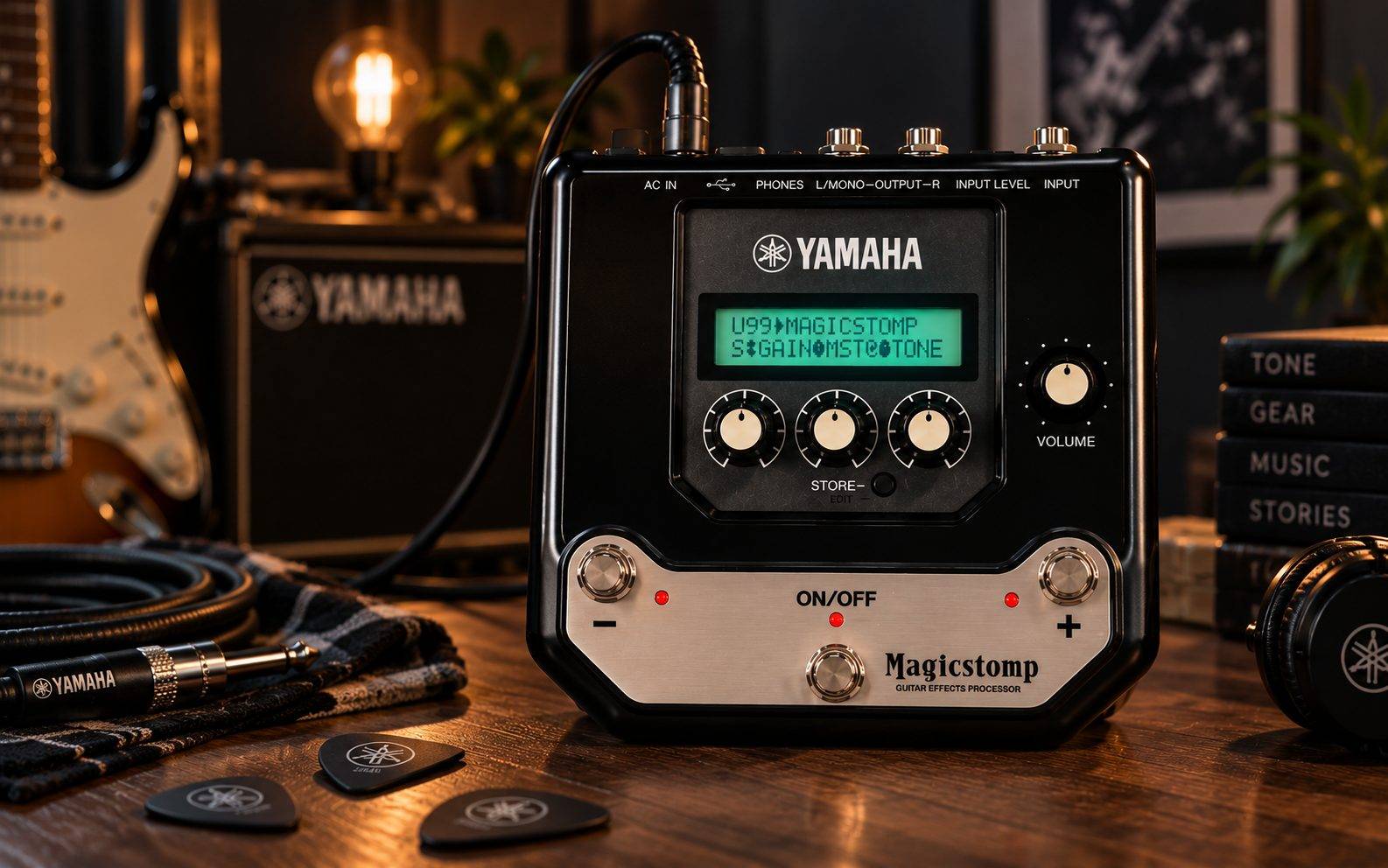
In the pantheon of legendary guitarists, Allan Holdsworth occupies a space uniquely his own. Renowned for his futuristic chord voicings, unearthly legato phrasing, and pioneering tonal explorations, Holdsworth was more than just a guitar player - he was an architect of sound. One of the most essential tools in crafting his otherworldly tone was the humble yet powerful Yamaha Magicstomp, affectionately referred to by fans and players as "Holdsworth's Haven."
Why Holdsworth Chose the Magicstomp
Holdsworth was famously meticulous about his gear, constantly searching for clarity, warmth, and a three-dimensional spatial quality that complemented his complex harmonic language. "It's the only thing that gave me the sound I was hearing in my head," Holdsworth once said. He often ran the Magicstomp in parallel loops or after the preamp stage to maintain tonal purity while adding depth and atmosphere.
The Heart of the Sound: Smooth Delay
The "Smooth Delay" patch on the Magicstomp was far from your average digital delay. It offered lush diffusion, subtle pitch modulation, and a soft decay curve - ideal for creating the ambient, violin-like sustain trails that defined Holdsworth's tone.
A Modern Legacy
Although the Magicstomp is no longer in production, it retains a dedicated cult following. Used units often fetch high prices on the secondhand market, and online forums continue to share patches, editor software tips, and revival methods for modern computer compatibility. The Magicstomp is not just an effects processor - it is a creative tool that enables the sculpting of expansive sonic landscapes with character and nuance.